Edge-Cloud Optimized Construction Safety Intelligence System via Adaptive MLLM Reasoning and Metadata-Driven Mitigation
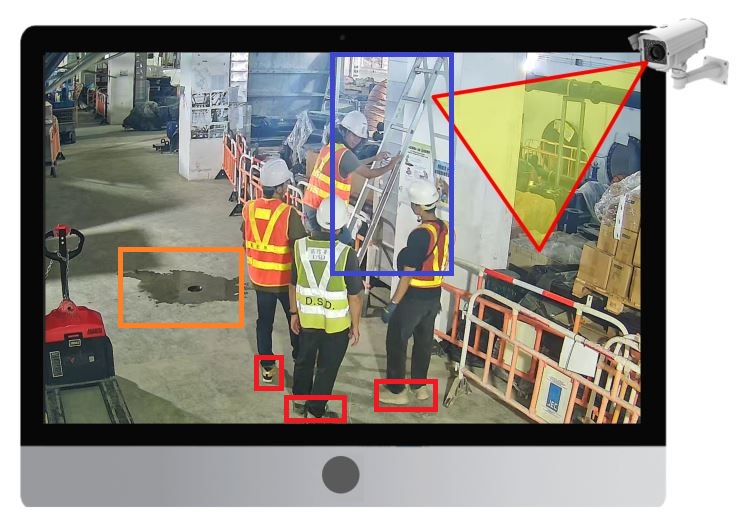
| I&T Solution | Edge-Cloud Optimized Construction Safety Intelligence System via Adaptive MLLM Reasoning and Metadata-Driven Mitigation (REF: S-1942) |
|||||||||||||||||||||
|---|---|---|---|---|---|---|---|---|---|---|---|---|---|---|---|---|---|---|---|---|---|---|
| Trial Project | ||||||||||||||||||||||
| Solution Feature |
|
|||||||||||||||||||||
| Trial Application and Expected Outcome |
|
|||||||||||||||||||||
| Additional Solution Information | EMSD_mllm_20250610.pdf | |||||||||||||||||||||
| Info on I&T Solution Provider |
|
For details of the above I&T solution, please contact the I&T solution provider.