| Trial Application and Expected Outcome |
- Simulated confined space entry with staged falls, fainting, and gas anomalies will validate detection accuracy, alarm escalation, and communication reliability under safe but realistic conditions.
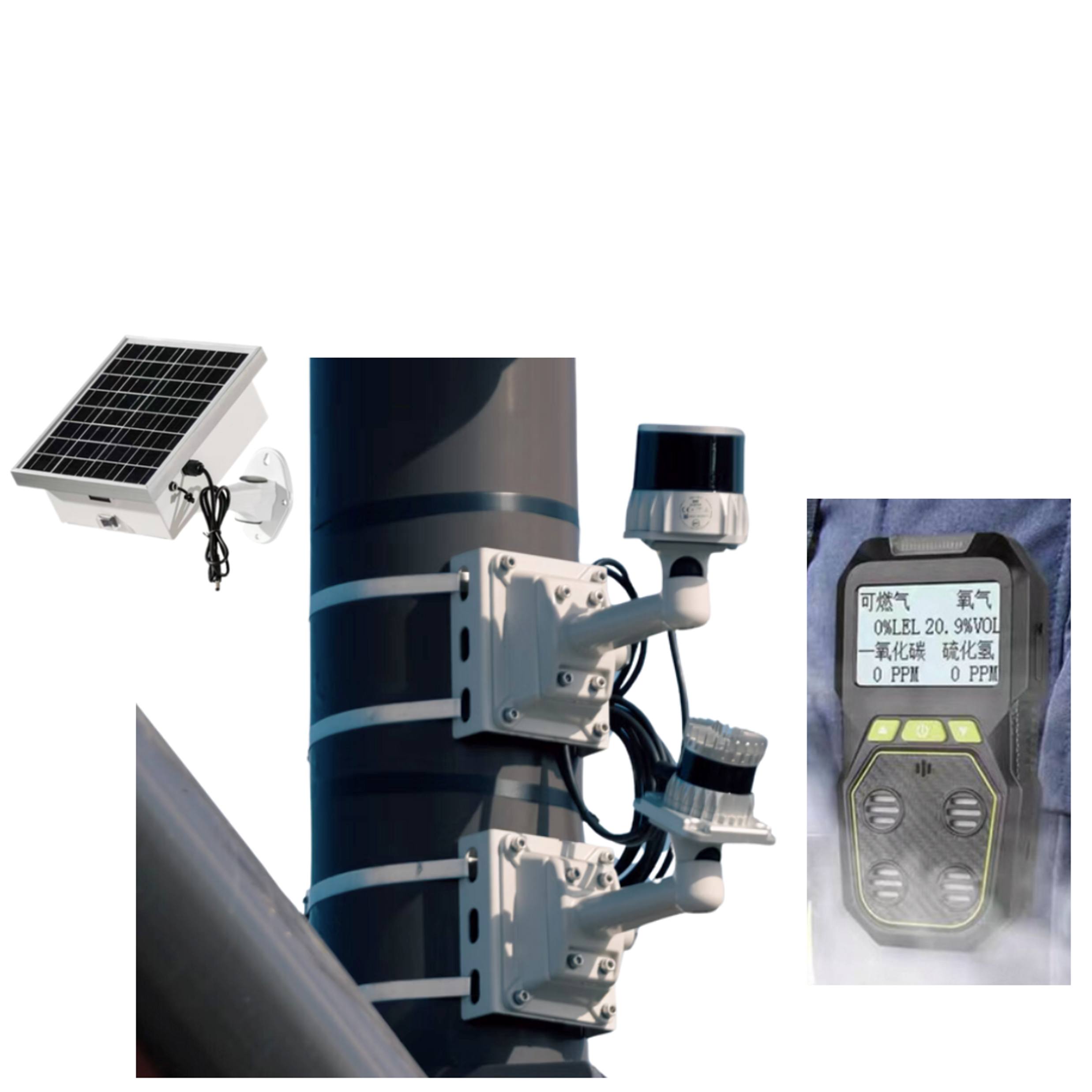
- Deploy the system at selected manholes, tanks, or pump stations to observe real-world performance, ensuring the solution adapts to variable lighting, gas stratification, and operational constraints.
- Engage frontline workers and supervisors in live trials to assess usability, ease of deployment, and responsiveness of alerts, ensuring alignment with daily operational practices and safety protocols.
- Measure detection rates, latency, uptime, and false-alarm ratios against predefined targets. Continuous monitoring and tuning will validate technical specifications and confirm effectiveness in safeguarding confined space operations.
- Collect structured feedback from participants, supervisors, and safety officers. Use insights to refine sensor thresholds, workflow integration, and training materials, thereby enhancing adoption and accelerating realisation of R&D outcomes.
|