| Trial Application and Expected Outcome |
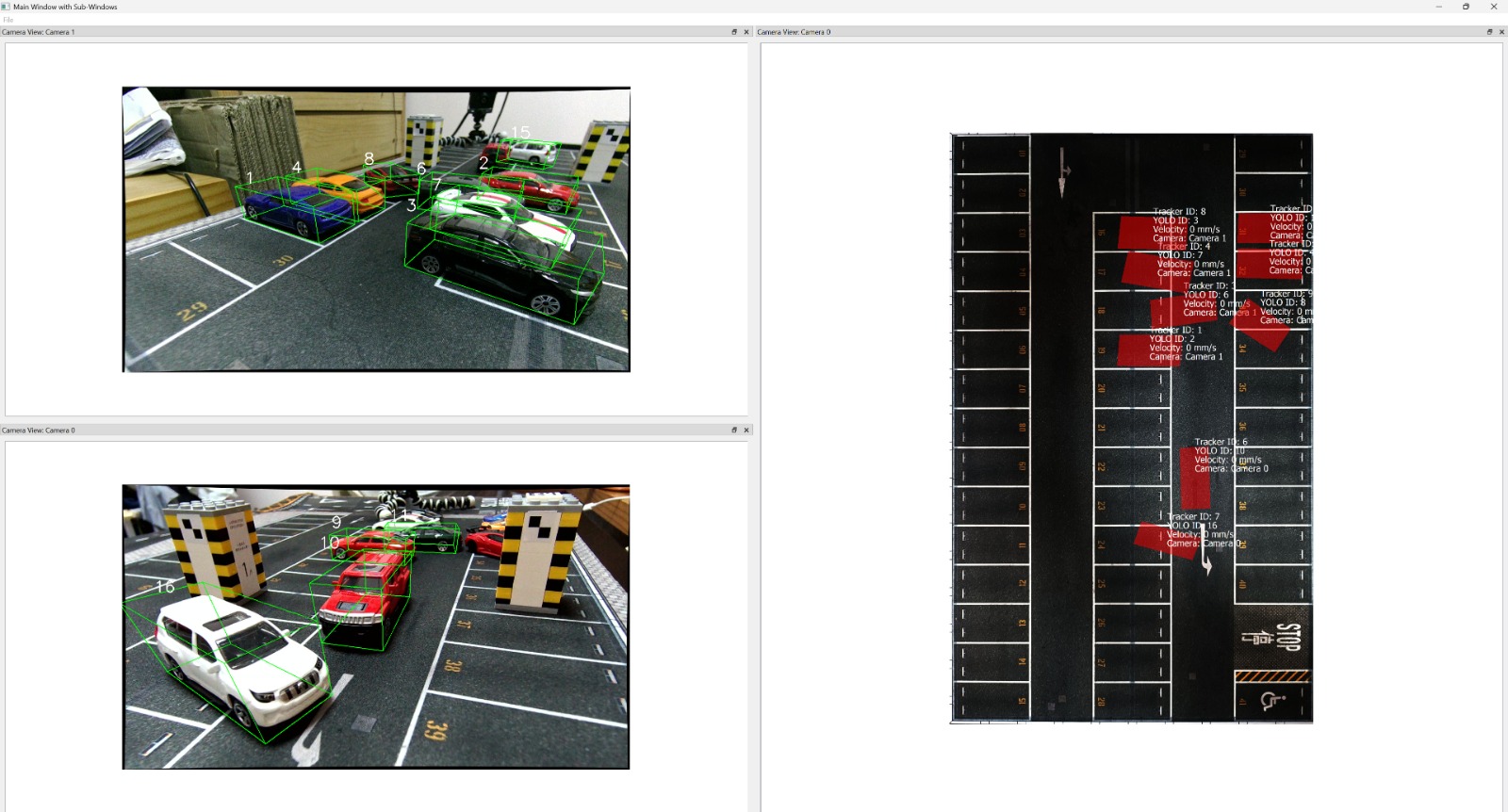
- 1. Close-Area Vehicle Positioning Validation PTZ cameras monitor vehicle maneuvers in a 50×50m zone. AI evaluates alignment, parking, rollback, and turnabout against physical markers. Mistakes are scored precisely, enabling controlled, repeatable assessments of spatial awareness and driving accuracy in confined environments.
- 2. On-Road Driver Behavior Monitoring Dash cams and GPS track driver actions like blind spot checks and gear use. GPS tags road context, enabling infrastructure-free behavior analysis at junctions, roundabouts, and lane changes. This ensures reliable, scalable monitoring of real-world driving performance.
- 3. Borderline Case Handling & Examiner Review AI flags low-confidence detections as “borderline,” displaying annotated frames with timestamps and scores. Examiners review flagged events to confirm or override decisions, balancing automation with human oversight to reduce false positives and ensure fairness in driving test evaluations.
- 4. AI Model Training for Dual Environments Separate AI models are trained for close-area tracking and open-road behavior analysis. This dual-model approach improves accuracy and adaptability across static and dynamic driving conditions, ensuring long-term reliability and responsiveness to evolving road environments and driving standards.
- 5. Data Logging for Post-Test Analysis All footage, GPS data, and AI decisions are logged for audits, examiner overrides, and appeals. This supports transparency, regulatory compliance, and continuous improvement, ensuring accountability and trust in the fairness of AI-driven driving assessments over time.
|